So, you’ve heard the buzz about the Tata Motors Demerger , and you’re wondering what all the fuss is about. Maybe you’re an investor, maybe you’re just curious, or maybe you stumbled upon this article while scrolling through your phone. Whatever your reason, you’ve come to the right place. Let’s be honest: corporate demergers can sound complicated. But trust me, this one is worth paying attention to, especially if you’re holding Tata Motors shares. And if you were planning to buy some, then this really is the final day to purchase those shares.
Here’s the thing: demergers are essentially corporate reorganizations. They can dramatically impact shareholder value and the future direction of a company. But why is Tata Motors doing this now? What does it mean for you? Let’s unpack it all, piece by piece, like a delicious samosa.
Why Demerge? The Underlying Rationale
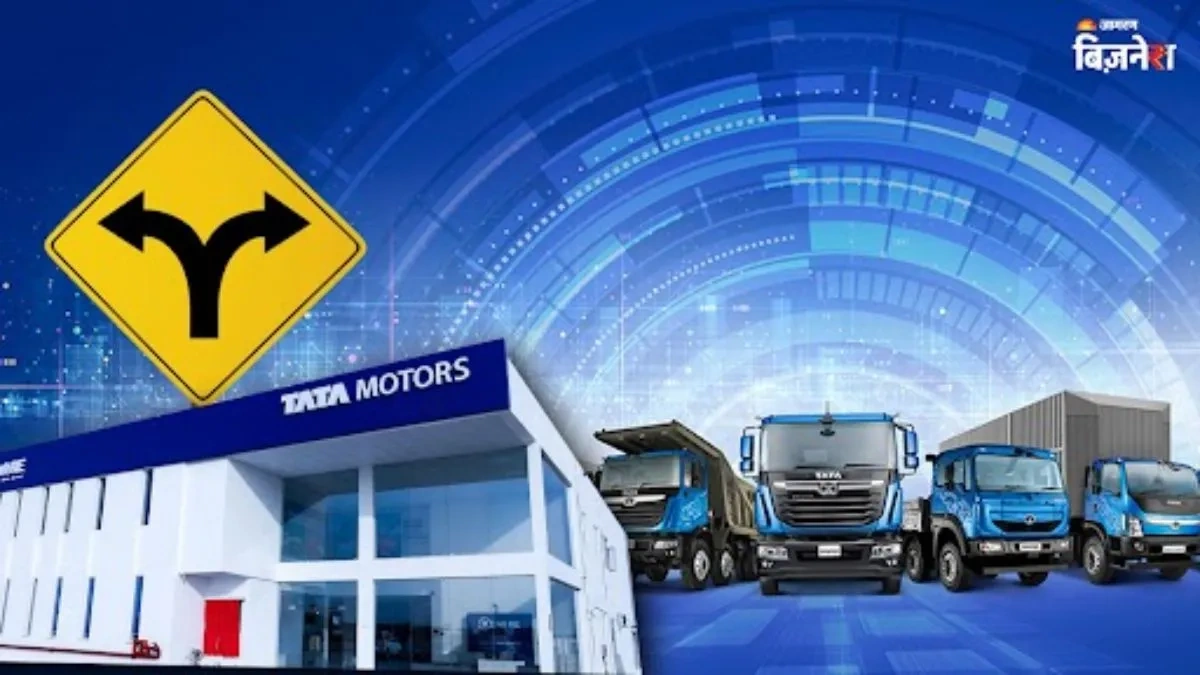
The big question, of course, is why. Why would Tata Motors, a company that seems to be doing reasonably well, decide to split itself in two? Well, the primary reason boils down to focus and efficiency. According to an official statement on Tata Motors website , the demerger aims to separate the Commercial Vehicles (CV) and Passenger Vehicles (PV) businesses. But it’s more than just shuffling departments.
Think of it like this: imagine you’re trying to juggle two very different balls at the same time. One is heavy and industrial (CV), and the other is lighter and more consumer-focused (PV). It’s hard to give each the attention it deserves, right? That’s precisely what Tata Motors is addressing. By creating two independent entities, each can pursue its own strategies, investments, and growth opportunities with greater agility. This is a key aspect of shareholder value creation .
But – and this is a big ‘but’ – there’s also a strategic element at play. The PV segment, which includes the electric vehicle (EV) business, is rapidly evolving. It needs a different kind of leadership, innovation, and investment than the CV segment. Separating them allows each entity to attract specialized talent and capital, accelerating their respective growth trajectories.
What’s the Record Date and Why Does It Matter?
Okay, let’s talk brass tacks. You’ve probably seen the term “record date” floating around. What exactly is it, and why is today the final day to buy before the record date? The record date is the cutoff point for determining which shareholders are eligible to receive shares in the newly formed PV entity.
If you own Tata Motors shares on the record date, you’ll be entitled to additional shares in the new PV company. It’s essentially a bonus for being a shareholder at that specific moment in time. As per the last update, the final date to purchase shares before the record date is today. Miss this deadline, and you won’t be eligible for the demerger benefits.
Think of it like getting a ticket to a special event. The record date is the date they check to see if you have a ticket. If you bought your ticket (shares) before that date, you’re in. If you bought it after, well, you’ll have to wait for the next show. This really is a crucial date for investors .
The Impact on Investors | What to Expect
Now, for the million-dollar question: How will this demerger affect you, the investor? Well, in the short term, there might be some volatility in the stock price. That’s perfectly normal. Whenever a company undergoes a significant restructuring, the market needs time to digest the changes and reassess the value of the new entities. This is because of the changes in the stock market dynamics
However, in the long run, the demerger is expected to unlock value for shareholders. By allowing each business to operate independently and pursue its own growth strategies, Tata Motors aims to create two stronger, more focused entities. Ideally, this should translate into higher profits and, ultimately, higher share prices. This will result in a higher market capitalization of the firm.
But a common mistake I see people make is panicking during this initial volatility. Remember, investing is a marathon, not a sprint. If you believe in the long-term potential of Tata Motors and its underlying businesses, then holding onto your shares through the demerger might be a wise move.
Future of Tata Motors After Demerger
So, what does the future hold for Tata Motors post-demerger? On one hand, you’ll have the CV business, focusing on trucks, buses, and other commercial vehicles. This entity will likely emphasize efficiency, cost optimization, and expanding its presence in emerging markets. On the other hand, you’ll have the PV business, including the rapidly growing EV segment. This entity will likely prioritize innovation, design, and building a strong brand identity to compete with global players.
The separation also allows for more targeted investments. The PV business, for instance, can attract funding specifically for EV development and expansion, without being constrained by the needs of the CV business. This will allow for a greater focus on electric vehicle strategy .
The Yamaha RX 100 bike here might be a good example of companies using demergers to allow for more targeted investments. If it ain’t broke, don’t fix it!
But let me rephrase that for clarity. The demerger isn’t a magic bullet. It’s a strategic move that, if executed well, can unlock significant value. However, it will require strong leadership, effective execution, and a clear vision for the future of both entities.
According to reports on Wikipedia , demergers can significantly restructure companies and create more value for their shareholders. It’s a fascinating move that could really shake things up.
FAQ Section
What happens to my Tata Motors shares after the demerger?
If you hold Tata Motors shares on the record date, you’ll receive shares in both the existing CV business and the newly formed PV business. The exact ratio of shares will be determined and announced by the company.
Is the demerger mandatory? Can I choose to only own shares in one entity?
The demerger is a corporate action, so it’s mandatory for all shareholders. You can’t choose to only own shares in one entity. However, after receiving shares in both entities, you’re free to buy or sell shares in either company as you see fit.
Will the demerger affect the trading of Tata Motors shares?
Yes, there will likely be some adjustments to the trading of Tata Motors shares around the record date. The company will announce the specific details of these adjustments closer to the date.
What are the tax implications of the demerger?
The tax implications of the demerger can be complex and depend on individual circumstances. It’s best to consult with a financial advisor or tax professional to understand the specific implications for you.
In conclusion, the Tata Motors demerger is a significant corporate event with the potential to unlock value for shareholders. While there might be some short-term volatility, the long-term prospects for both the CV and PV businesses appear promising. Remember, today is the final day to purchase those shares. Hopefully, this article has provided you with a clearer understanding of the demerger and its implications. Here ‘s another link just to make sure. And just for the record, here is a link to Mahindra Bolero 2025 .
What fascinates me is the longer game – How will this demerger actually impact India’s automotive landscape over the next 5-10 years? That’s the question investors should really be asking themselves.